Italki Review 2026: Tutor Quality, Pricing, and Fit

Many language learners can recognize words on a screen long before they can answer a simple question out loud. That is the gap Italki tries to solve. It is not mainly a flashcard app, a fixed course, or a school with one curriculum. It is a marketplace where learners book live lessons with independent language teachers and tutors.
The practical question is not whether Italki can help someone learn a language. It can. The sharper question is whether it matches your stage, budget, and tolerance for choosing tutors yourself. This Italki review argues that the platform is strongest for self-directed learners who need speaking pressure, correction, and flexible scheduling, but weaker for learners who want a complete path handed to them.
This review uses public sources, including the official Google Play app listing, Trustpilot review summaries, independent editorial reviews, teacher-marketplace explainers, and recent learner discussions. We did not book a paid lesson for this update. Our standards are explained in the editorial policy, and our site background is on the About page.
Italki Review: What You Are Actually Buying
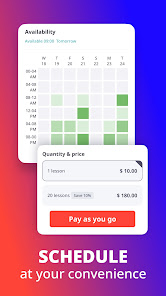
Italki sells access to people, not a single learning method. Learners browse tutor profiles, compare prices, check schedules, book a lesson, and continue only if the match works. The official Android listing describes more than 150 languages, lesson lengths of 30, 45, 60, and 90 minutes, and a pay-per-class model with credits and packages.
That makes Italki different from a self-paced app such as Babbel or Duolingo. A course app gives you a controlled sequence. Italki gives you choice. That choice is valuable when you know what you need, such as B1 speaking practice, IELTS speaking feedback, business English role-play, Japanese conversation, or pronunciation correction.
It also creates variance. Two learners can use Italki in the same week and get very different outcomes because they choose different tutors, lesson formats, prices, and levels of structure. The platform can make tutor discovery easier, but it cannot make every tutor equally prepared or equally right for your goals.
Tutor Types: Professional Teacher vs Community Tutor
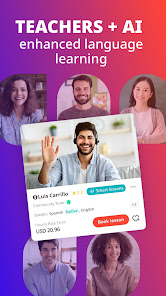
The most important buying decision on Italki is the tutor type. The platform commonly separates instructors into Professional Teachers and Community Tutors. Independent review site All Language Resources explains that Professional Teachers generally have verified teaching experience, a relevant degree, or a teaching certificate, while Community Tutors are native speakers or advanced speakers who can help with practice.
A TEFL Org guide to teaching on Italki gives a similar split for English teachers: Professional Teachers face higher credential expectations, while Community Tutors are positioned more around conversation and confidence building. That distinction matters, but it is not a guarantee of fit.
Choose a Professional Teacher if you need a plan, homework, grammar explanation, exam preparation, business language, or feedback that follows a syllabus. Choose a Community Tutor if your main problem is getting words out, hearing natural speech, building confidence, or keeping a low-cost conversation habit.
Do not treat the badge as a quality score. Recent Reddit discussions in r/iTalki show a repeated learner pattern: some Community Tutors are highly prepared, and some Professional Teachers may still feel too rigid or generic. The best signal is not the label by itself. It is whether the tutor's profile, reviews, lesson categories, and trial lesson show the kind of instruction you actually need.
Pricing: Flexible, But Easy To Misread
Italki does not have one standard price. Tutors set their own rates, and pricing varies by language, teacher background, location, demand, lesson length, and whether the lesson is a trial or regular session. The official Android listing says learners can pay per class, buy credits, or buy packages; it also says educators set their own prices and shows low entry points for some teachers and tutors.
Independent pricing estimates vary. All Language Resources, in a review last updated before this article, describes a wide range from low-cost tutors to much more expensive teachers. A newer ICanLearn review also frames pricing as broad, with Community Tutors often lower and Professional Teachers often higher. Treat those numbers as directional, not permanent, because live marketplace pricing changes quickly.
The useful way to judge Italki pricing is not the cheapest visible lesson. It is the cost per useful hour. A low-price session can be poor value if the tutor does not correct mistakes or prepare. A higher-price Professional Teacher can be good value if they diagnose problems quickly and give you work that improves the next lesson.
The safest approach is narrow: book one or two trial lessons, compare the experience, and avoid buying a package until a tutor has proven they prepare, correct, and communicate in the way you need.
What Italki Does Well
Italki's first strength is language coverage. The official listing names common languages such as English, German, Spanish, French, Italian, Japanese, and Korean, and states that more than 150 languages are available. That breadth matters if your target language is poorly served by mainstream course apps.
The second strength is scheduling. Learners can search across time zones and choose different lesson lengths. For adults with jobs, travel, or irregular study windows, this flexibility can be more practical than a fixed online school schedule.
The third strength is real feedback. Apps can build recognition and habit, but they often do not force spontaneous speech. A tutor can interrupt, correct pronunciation, push follow-up questions, or adapt the session when the learner keeps making the same mistake.
The fourth strength is low commitment compared with subscription-heavy learning. You can browse, try lessons, and stop if a tutor is not a fit. That is useful if you are unsure whether live tutoring belongs in your routine.
If you are still choosing between language-learning formats, read our Babbel review for structured app learning, our Duolingo deep dive for habit-based practice, and our language learning apps guide for category context.
What Can Go Wrong
The main risk is inconsistent tutor fit. Marketplace choice is useful, but it shifts work onto the learner. A recent r/iTalki thread about choosing a good teacher shows learners discussing profile details, lesson descriptions, lesson-to-student ratios, and whether a Community Tutor or Professional Teacher better matches the desired experience.
The second risk is weak structure. Italki can provide excellent teaching, but it does not automatically give every learner a curriculum. If you book random conversation lessons without a goal, you may get random progress. Complete beginners are especially vulnerable here because they may not know what to ask for.
The third risk is platform friction. The Google Play listing showed a 3.7 rating, 17.5K reviews, 5M+ downloads, and a May 7, 2026 update date when accessed for this review. Recent public app reviews included complaints about teacher search, payment flow, rescheduling, and app reliability. Trustpilot's public summary is broadly positive about teacher quality and flexibility, but it also surfaces website, app, payment, video, and tutor-discovery complaints.
The fourth risk is overbuying. Packages can be useful after you find the right tutor. They are risky before that point. The first purchase should be a test of fit, not a commitment to a learning plan you have not validated.
Who Should Use Italki
Use Italki if you already have enough foundation to speak in simple sentences and now need real-time correction. This is where live tutoring does something that apps cannot fully replace.
Use Italki if you are preparing for a speaking exam, job interview, presentation, relocation, or travel situation where you need targeted practice. In that case, choose a tutor who explicitly offers the relevant lesson type rather than a general conversation session.
Use Italki if you are studying a less common language and cannot find enough depth in mainstream apps. The long-tail language coverage is one of the strongest reasons to consider the platform.
Delay Italki if you are a complete beginner who wants the platform to decide what to learn next. A structured beginner course may be more efficient at first. You can bring Italki in once speaking and feedback become the bottleneck.
Parents looking for a child-focused school model should also compare a specialized provider such as Novakid. Our Novakid review covers a more managed online-class format for children, which is a different use case from an open tutor marketplace.
How To Choose A Tutor Without Wasting Trial Lessons
Start with one specific goal. "Practice Spanish" is too broad. Better goals sound like "prepare for a B1 oral exam," "practice French restaurant and hotel situations," "fix recurring English pronunciation errors," or "role-play job interviews in German."
Then use filters only as a first pass. Price and availability matter, but profile quality matters more. Look for a tutor who explains what happens in a lesson, who the lesson is for, and how they correct mistakes.
Read recent reviews for detail. Generic praise is less useful than comments about preparation, pacing, materials, correction style, and whether the tutor adapts to the learner's level.
Use the trial lesson as an interview. Ask how the tutor would structure the next four to six sessions for your goal. Ask what you should do between lessons. Ask whether they correct immediately or after you finish speaking.
After the trial, decide quickly. Did you speak enough? Did the tutor correct useful mistakes? Did you leave with a next step? If not, keep searching. Italki's value comes from finding fit, not from staying loyal to the first profile that looked good.
FAQ
Is Italki free to use?
Browsing tutors and creating an account are generally separate from paying for lessons. The paid part begins when you book classes or buy credits/packages. The official listing also describes community practice features, but serious tutor-led progress usually requires paid sessions.
How much does Italki cost?
There is no single Italki price. Tutors set their own rates, and prices vary by language, experience, lesson length, and demand. Check current tutor listings before budgeting, because older review numbers can become stale quickly.
Are Professional Teachers better than Community Tutors?
Not automatically. Professional Teachers are usually better for structure, exams, grammar, and formal teaching. Community Tutors can be strong for conversation, confidence, and lower-cost practice. Fit matters more than the badge alone.
Is Italki good for beginners?
It can be, but beginners should choose carefully. A beginner who wants a clear curriculum may be better served by a structured course first. Italki becomes more valuable once you can produce simple sentences and need live correction.
Can Italki replace language apps?
For many learners, it should supplement apps rather than replace them. Use an app or course for daily input and progression, then use Italki for speaking, correction, accountability, and real conversation pressure.
What is the safest way to start?
Pick one language goal, shortlist several tutors, book trial lessons, and avoid large packages until one tutor has proven the lesson format works for you. Treat the first week as tutor research, not a long-term commitment.
Verdict
Italki is a useful platform when you treat it like a marketplace for human feedback. Its value comes from tutor choice, flexible scheduling, language coverage, and the pressure of live conversation. Its weakness is that you must bring a goal and do the selection work yourself.
For intermediate learners, exam candidates, busy adults, and people studying languages that apps do not cover deeply, Italki is worth testing with a small budget and a few trial lessons. For complete beginners who want a guided curriculum from day one, start with a structured course and add Italki when speaking becomes the next constraint.
Sources
- Google Play: italki app listing, accessed May 18, 2026.
- Trustpilot: italki reviews, accessed May 18, 2026.
- All Language Resources: Italki review, accessed May 18, 2026.
- The TEFL Org: Tutoring English online with italki, accessed May 18, 2026.
- ICanLearn: Italki review, accessed May 18, 2026.
- Reddit r/iTalki: choosing a good teacher, accessed May 18, 2026.
- Reddit r/iTalki: Community Tutors and Professional Teachers discussion, accessed May 18, 2026.