Italki Review 2026: Pricing, Tutor Quality, and Who Should Book One

A language app can teach vocabulary for months and still leave you stuck when a real person asks a simple question. That is the gap Italki tries to fill. It does not sell a fixed course path like Babbel, a gamified habit loop like Duolingo, or a school program like Novakid. It sells access to human language teachers and tutors, one lesson at a time.
The practical question is not whether Italki works in the abstract. Italki works when you choose the right tutor, define the right lesson goal, and avoid treating the marketplace like a magic fluency shortcut. If you want structured self-study, start elsewhere. If you need live correction, speaking pressure, exam practice, or a tutor who can adapt to your weak points, Italki can be a strong fit.
This Italki review is based on the official Google Play app listing, public review data, independent editorial reviews, teacher-marketplace explainers, and recent community discussions. We did not book paid lessons for this refresh. Our review standards are explained in our editorial policy, and you can read more about our site on the About page.
Italki Review: What The Platform Actually Sells
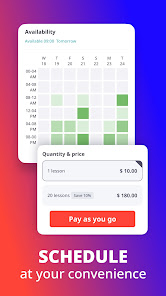
Italki is an online language tutor marketplace. Learners browse teachers, compare profiles, check availability, book lesson slots, and pay for live sessions. The official app listing says Italki supports more than 150 languages and offers class durations of 30, 45, 60, and 90 minutes. It also describes a pay-as-you-go model where learners can pay per class, buy credits, or buy a package.
That model is the main difference between Italki and most language apps. Apps give you a curriculum. Italki gives you access to people. The platform handles discovery, scheduling, payments, classroom tools, reviews, and messaging, but the actual learning experience depends on the tutor you choose.
As of this review date, the Google Play listing shows more than 5 million downloads, a 4.5 rating, and a May 7, 2026 update date. Those app-store signals support the view that Italki is a mature platform, not a niche experiment. They do not prove lesson quality for any specific tutor.
Professional Teachers vs Community Tutors

The most important buying decision on Italki is not the language. It is the tutor type.
Professional Teachers are positioned for more structured instruction. A TEFL Org guide to teaching on Italki explains that Professional Teachers generally need stronger qualifications than Community Tutors, such as teaching credentials, a degree, or relevant teaching experience depending on the application path. These teachers are usually better suited for grammar plans, exam preparation, business language, or a course-like learning rhythm.
Community Tutors are usually a better fit for conversation practice, accent exposure, informal correction, and confidence building. They may be native or fluent speakers without formal teaching credentials. Some are excellent. Some are casual. The label alone does not guarantee quality.
The right choice depends on your goal:
- Choose a Professional Teacher if you need exam preparation, a structured plan, homework, correction, or a teacher who can explain grammar clearly.
- Choose a Community Tutor if you mainly need speaking time, listening practice, pronunciation feedback, or a lower-cost conversation partner.
- Try both if you are intermediate and unsure. A common pattern is one Professional Teacher for structure and one Community Tutor for extra speaking practice.
Pricing: Flexible, But Not Predictable
Italki does not have one standard course price. Tutors set their own rates, and prices vary by language, teacher background, demand, location, lesson length, and whether the lesson is a trial or regular session.
The official app listing says users can pay per class, buy credits, or buy packages. It also says educators set their own prices and that some tutors and teachers can appear at low entry prices. Independent review site All Language Resources reports a wide price range, with some teachers around $5 per hour and others much higher, often up to $60 per hour depending on the language and teacher.
That means Italki can be affordable, but only if you search carefully. A learner booking casual conversation practice in a language with many tutors may find low-cost options. A learner seeking a highly qualified teacher for Japanese, German exam prep, business English, or a less common language may pay more.
Avoid judging Italki by the cheapest visible tutor. The better question is price per useful hour. A $12 tutor who prepares well can be better value than a $5 session that turns into random small talk. A $40 professional teacher can be worth it if they provide targeted exam feedback that saves weeks of inefficient study.
What Works Well
Italki works best when you already know what kind of practice you need. The strongest use cases are speaking, correction, accountability, and targeted help.
The first advantage is language coverage. Most mainstream apps focus on common languages. Italki can be useful for learners of less common languages because marketplace supply can appear where app curriculum depth is weak. The official listing names common languages such as English, German, Spanish, French, Italian, Japanese, and Korean, and states that more than 150 languages are available.
The second advantage is scheduling flexibility. You can look for tutors across time zones and pick lesson lengths that match your routine. That matters for adult learners with jobs, children, or irregular study windows.
The third advantage is fit. A good tutor can adapt instantly. If you keep making the same pronunciation mistake, they can stop and correct it. If you need interview practice, they can role-play. If your grammar knowledge is passive, they can force you to produce sentences under pressure.
The fourth advantage is low commitment. Trial lessons let you test teaching style before buying more sessions. That is essential because tutor fit varies more than platform marketing admits.
What Can Go Wrong
The biggest risk is inconsistent lesson quality. Marketplace platforms create choice, but choice also creates variance. A recent Reddit r/iTalki discussion shows the common frustration: learners can pick tutors with strong reviews and still end up with unprepared or poorly structured lessons.
That does not mean reviews are useless. It means reviews need interpretation. Look for specific comments about preparation, pacing, correction style, and lesson materials. Generic five-star praise is less useful than one detailed review explaining how the teacher handles mistakes.
The second risk is that Italki has no built-in curriculum for your whole learning journey. If you book random lessons without a plan, you may get random progress. This is especially risky for beginners. A complete beginner may be better served by a structured app or course first, then using Italki once they can form basic sentences.
The third risk is app and payment friction. Trustpilot shows an overall positive profile at the time of review, but recent public reviews also mention payment issues, classroom frustrations, and the need to try multiple teachers. App-store reviews show similar mixed signals: many users praise teacher choice, while some complain about search, scheduling, or classroom behavior.
The fourth risk is overbuying packages. Trial lessons exist for a reason. Do not buy a large package until you know the tutor prepares, corrects, communicates, and matches your goal.
Italki vs Language Apps And Online Schools
Italki is not a replacement for every kind of language learning. It is one part of a stack.
Compared with Duolingo, Italki is better for real conversation and feedback, while Duolingo is better for free daily habit building. Our Duolingo deep dive covers where gamified app learning helps and where it plateaus.
Compared with Babbel, Italki is more flexible but less structured. Babbel gives adult learners a guided curriculum; Italki gives them a person. Our Babbel review is the better starting point if you want grammar progression and short self-paced lessons.
Compared with kids-focused online schools, Italki is more open-ended. Parents evaluating live English lessons for children should also read our Novakid review, because a child-focused school model solves a different problem than an adult tutor marketplace.
If you are comparing the broader language-learning category, our language learning apps guide gives more context on where tutor platforms fit next to apps, audio methods, and structured subscriptions.
How To Choose A Tutor Without Wasting Trial Lessons
Start by writing one lesson goal before you search. Good goals sound specific: improve B1 speaking confidence for work meetings, prepare for IELTS speaking, practice French travel conversation, fix Japanese pitch accent basics, or review writing corrections.
Then filter by availability and price, but do not stop there. Read the profile video or introduction. Look for whether the tutor describes a teaching method, not just personality. A good profile should tell you what happens in a lesson.
Next, read recent reviews. Prioritize reviews that mention correction style, preparation, pacing, and materials. If every review only says friendly teacher, that may be fine for conversation practice but weak for structured progress.
Use the trial lesson as an interview. Ask how they would structure the next five sessions for your goal. Ask how they correct mistakes. Ask what you should do between lessons. A strong tutor can answer clearly.
After the trial, evaluate the lesson immediately. Did you speak enough? Did they correct the right things? Did they adapt to your level? Did you leave with a next step? If the answer is no, keep searching.
Who Should Use Italki
Use Italki if you are an adult learner who needs real speaking practice and can manage your own study plan. It is especially useful for intermediate learners who know vocabulary and grammar but freeze in conversation.
Use Italki if you are preparing for an oral exam and need targeted feedback. In that case, choose a Professional Teacher with exam experience, not a random conversation tutor.
Use Italki if your target language is hard to find in mainstream apps. Tutor marketplaces can serve languages that structured apps cover only lightly.
Skip or delay Italki if you are a complete beginner with no foundation. You may get better value by building basics with a structured course first, then booking speaking sessions after you can hold simple exchanges.
Skip Italki if you want one fixed curriculum, automatic progress tracking, and no tutor-selection work. The flexibility is the point, but it also creates homework for the learner.
FAQ
Is Italki free to use?
Creating an account and browsing tutors is generally free. The paid part starts when you book lessons. The official app listing describes a pay-per-class model, credits, and packages. It also mentions community features for practice beyond paid classes.
How much does Italki cost?
There is no single price. Tutors set their own rates, and prices vary by language, experience, lesson type, and demand. Independent reviews commonly report a wide range from low-cost tutors to much higher professional teacher rates. Check current tutor listings before budgeting.
Are Professional Teachers better than Community Tutors?
Not always. Professional Teachers are usually better for structure, grammar, credentials, and exams. Community Tutors can be excellent for conversation practice and confidence building. The label helps set expectations, but tutor fit matters more than the badge alone.
Is Italki good for beginners?
It can be, but beginners need careful tutor selection. A structured beginner course may be more efficient at first. Italki becomes more valuable once you can produce basic sentences and need live correction or speaking confidence.
Can Italki replace Duolingo or Babbel?
For most learners, no. Italki is better as a supplement. Use an app or structured course for daily input and progression, then use Italki for speaking, correction, and accountability.
How do I avoid a bad tutor match?
Book trial lessons first. Read recent detailed reviews, watch profile videos, ask how lessons are structured, and avoid buying large packages until one tutor has proven they prepare and correct in a way that helps you.
Verdict
Italki is a strong platform if you treat it like a tutor marketplace, not a finished course. The value is real: broad language coverage, flexible scheduling, trial lessons, and access to human feedback. The trade-off is that you must do the selection work yourself.
For intermediate learners, exam candidates, travelers who need speaking confidence, and adults who want real conversation practice, Italki is worth trying with a small budget and two or three trial lessons. For complete beginners or learners who want a guided curriculum, start with a structured platform first and bring Italki in when speaking becomes the bottleneck.
Sources
- Google Play: italki app listing, accessed May 18, 2026.
- Trustpilot: italki reviews, accessed May 18, 2026.
- All Language Resources: Italki review, accessed May 18, 2026.
- TEFL Org: Teaching English online with Italki, accessed May 18, 2026.
- Reddit r/iTalki tutor-selection discussion, accessed May 18, 2026.